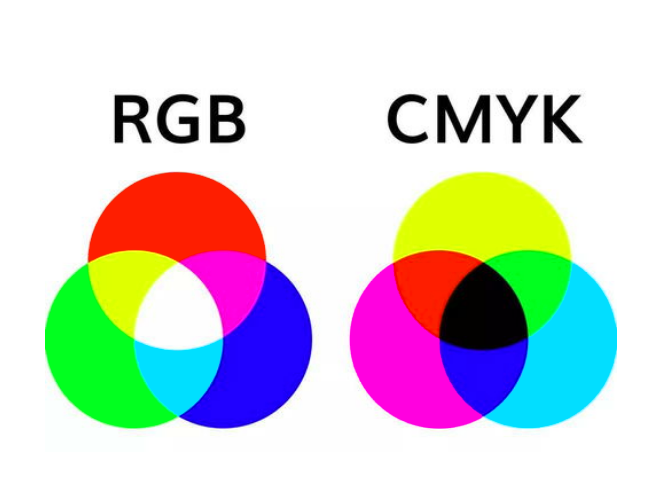
RGB and CMYK are two different color models used in digital displays and printing, respectively. The main differences between the two are as follows:
RGB stands for red, green, blue, which are the primary colors of light. RGB is an additive color model, which means that when these three colors are combined in varying amounts, they create a wide range of colors. RGB is used for digital displays such as computer screens, televisions, and mobile devices.
CMYK stands for cyan, magenta, yellow, and black, which are the primary colors of ink used in printing. CMYK is a subtractive color model, which means that when these four colors are combined in varying amounts, they create a wide range of colors by subtracting light from white paper. CMYK is used for printing materials such as brochures, flyers, packaging boxes, books and business cards.
One of the main differences between RGB and CMYK is their color gamut. RGB has a wider color gamut than CMYK, which means that it can display more colors than can be printed using CMYK. This is because RGB uses light to create colors, while CMYK uses ink. As a result, colors may appear differently on a computer screen than they do when printed using CMYK.
Another difference is the way that colors are represented. In RGB, colors are represented using values from 0 to 255 for each of the three primary colors. In CMYK, colors are represented using percentages of each of the four primary colors. This difference in representation can affect the way that colors are converted between the two color models.
RGB and CMYK are two different color models used for digital displays and printing, respectively. While they share some similarities, such as their use of primary colors to create a wide range of hues, they differ in terms of their color gamut and the way that colors are represented.